




The Illusion of Control
Many enthusiasts believe they can control their luck in gambling through various rituals or behaviors. These can include wearing a lucky shirt, having a specific drink, or sitting in a designated spot in a casino. While these behaviors can enhance the gambling experience by adding personal significance, they bear no actual influence on the outcome, which is primarily determined by chance. For those who enjoy the thrill of chance, a great place to try your luck is at a love casino that offers exciting games and vibrant atmospheres, ultimately affecting their overall experience.
Casino games are fundamentally designed to be games of chance, meaning that outcomes are largely random and unpredictable. For instance, in games like roulette or slots, each result is independent of previous results. Therefore, no amount of superstition or ritual can change the mathematics behind these games. Understanding this can enable players to make more informed choices rather than relying on myths that suggest they can alter their fate. The focus should be on enjoying the experience and engaging with the game rather than fixating on external factors that have no bearing on the outcomes.
However, it’s essential to recognize that while luck is a significant factor, skill and strategy also play crucial roles in certain games, such as poker and blackjack. These games reward nuanced decisions and a greater understanding of odds. Yet, it’s important to separate skill from the myth of controlling luck. Even the best strategies can falter due to the inherent randomness of gambling, underscoring the importance of understanding the fundamental nature of luck in these settings. Embracing the reality of chance can lead to a healthier mindset toward gaming.
The Role of Probability
One of the most significant misconceptions about gambling is the idea that luck is a fixed trait—it is not. Each game has a specific probability associated with winning or losing, which remains constant regardless of previous outcomes. Understanding probability can demystify the concept of luck by showing players that it is merely a statistical occurrence. For instance, the odds of hitting a certain combination on a slot machine do not change based on prior spins, reinforcing that luck is variable and unpredictable.
When players grasp the realities of probability, they can make choices based on informed decisions rather than falling prey to myths surrounding lucky streaks or unlucky runs. This knowledge can encourage responsible gambling as individuals recognize that winning is often a matter of chance rather than an indication of skill or personal fortune. Educating oneself about odds can lead to a more enjoyable and less anxiety-ridden gambling experience, allowing players to engage more thoughtfully with their choices and manage their expectations effectively.
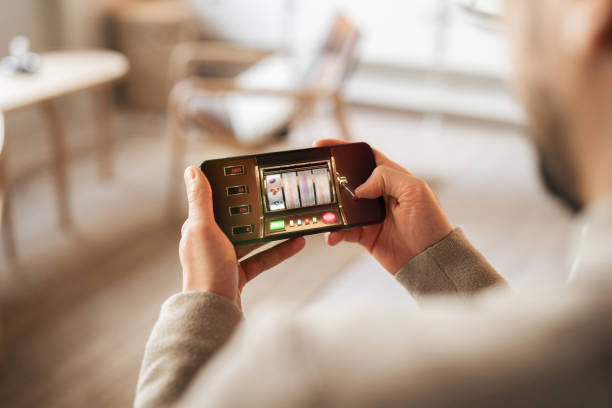
Moreover, the house edge is an essential aspect of gambling that ties into probability. Every casino game is designed to ensure that the house always has an advantage over players in the long run. This concept reinforces the idea that luck alone is not enough to guarantee success. Players who understand this can set realistic expectations and gamble within their means, making for a healthier approach to leisure activities involving chance. Recognizing the probability behind each game can also enhance strategic thinking and decision-making during play.
The Impact of Game Type on Luck
The notion of luck varies considerably among different types of gambling games. In games like slots, the outcome is almost entirely random and based on algorithms and random number generators. Conversely, in poker, while luck plays a role in the cards dealt, player skill, psychology, and strategy are significant factors in determining long-term success. This variance in the nature of luck illustrates that not all gambling experiences are created equal, and understanding these distinctions can guide players in making better choices.
Understanding which games rely more heavily on luck versus skill can help players choose games that align with their preferences and capabilities. Those who enjoy taking chances may gravitate toward slot machines and roulette, while strategic thinkers may prefer games like poker or blackjack where skill can tilt the odds in their favor. This knowledge is crucial for setting personal gambling goals and strategies, as it allows individuals to engage in games that suit their strengths and interests.
Moreover, the presence of variance in games often leads players to misunderstand how luck operates in the long term. Players may experience short-term success due to luck, leading them to believe that their skills have improved. However, over an extended period, the mathematical realities of each game will reveal the true influence of luck, often leading back to the house advantage. Recognizing these patterns can help players maintain a realistic perspective on gambling outcomes, balancing enjoyment with a healthy respect for chance.
Setting Realistic Expectations
In the world of gambling, managing one’s expectations is pivotal for enjoyment and financial well-being. Many players enter casinos with the belief that luck is on their side and that winning is just around the corner. This mindset often leads to frustration when reality does not match the hopeful narrative. By understanding that luck is random and unpredictable, players can approach their gambling experiences with a clearer, more grounded mindset, allowing for a more enjoyable experience regardless of the outcomes.
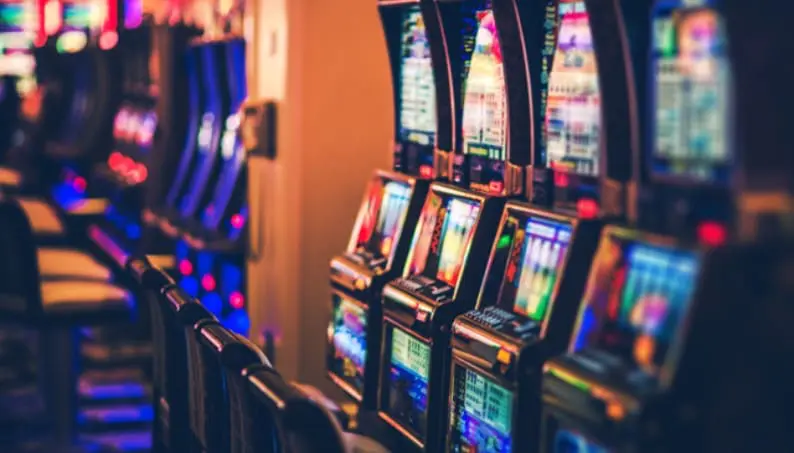
Individuals must remember that losing streaks are a natural part of the gambling experience. They should not be taken as a reflection of one’s skills or luck but rather as an expected outcome of entering games of chance. Setting financial limits and recognizing that wins should be viewed as bonuses rather than expectations can help mitigate emotional distress often associated with losses. Responsible gambling includes knowing when to walk away, regardless of perceived luck, and fostering a mindset that prioritizes enjoyment over financial gain.
Furthermore, cultivating a positive attitude toward gambling’s unpredictable nature can lead to a more gratifying experience. Players who appreciate the entertainment value of gambling and engage with it as a form of leisure rather than a means of income are likely to experience less anxiety and disappointment. Embracing the randomness of luck allows players to enjoy the thrill without the weight of unrealistic expectations and enhances the overall gambling experience.
Explore More on Gambling and Luck
If you are curious about gambling, luck, and the intricacies of various games, the online landscape offers a wealth of information. Numerous websites delve into the science and psychology behind luck, providing valuable insights into how probability, skill, and chance interact within gambling. These resources can aid in demystifying common misconceptions surrounding luck and arm players with the knowledge they need to make informed decisions about their gambling practices.
Many platforms offer tutorials, expert tips, and discussions that explore the realities of gambling, allowing both novice and experienced players to deepen their understanding. Engaging with these resources can enhance your gambling experience, transform your approach, and potentially improve your outcomes at the tables or machines. Ultimately, informed players are usually the most successful and satisfied with their gambling endeavors, as they are better equipped to navigate the complexities of chance.
Whether you are looking to learn more about strategies, seek advice on responsible gambling, or simply explore the fascinating relationship between luck and gaming, there is much to discover. Knowledge is a powerful tool that can help you traverse the complex world of gambling while maintaining a balanced perspective that respects the role of luck. Enjoy your journey through this exhilarating and unpredictable terrain, and remember that the essence of gambling lies in its unpredictability and excitement.