




The Role of Luck in Gambling
Luck plays a pivotal role in the world of gambling, shaping the experiences of players in various ways. In a casino, many games rely heavily on chance rather than skill; this is particularly true for slot machines and roulette, where outcomes depend on random number generation. Despite strategies that may improve odds in games like poker or blackjack, players often find themselves at the mercy of luck. This inherent randomness fuels the excitement and appeal of gambling, as players hope to strike it big against the odds, especially when they choose platforms that offer options like uk casino fast withdrawal to enhance their experience. It is this unpredictability that draws many to the casino floor, where every spin or card dealt holds the potential for a life-changing moment.
Moreover, the psychological aspect of luck can influence a player’s perception of their chances. Even skilled gamblers may attribute their wins or losses to luck, creating a cycle of belief that keeps them engaged in the gaming experience. This belief can encourage players to take risks they might otherwise avoid, drawn by the possibility of a fortunate turn of events. Such dynamics significantly contribute to the attraction of casinos, where the thrill of the unknown plays a central role. The more one believes in their lucky streak, the more they are willing to invest time and money, hoping for that next big win.
Additionally, stories of incredible luck—those rare instances where players hit jackpots or have winning streaks—circulate widely, enhancing the allure of gambling. These narratives not only inspire hope but also cultivate a culture where luck is romanticized. Players often feel that their moment of triumph is just around the corner, leading to repeated visits to casinos in search of that elusive lucky streak. This belief in luck, coupled with the anticipation of potential wins, creates a magnetic pull that keeps players returning for more, fostering a vibrant gambling culture.
Luck vs. Skill: What Matters More?
In the debate over whether luck or skill is more important in gambling, the answer largely depends on the game being played. Games like blackjack or poker do require a degree of skill and strategy, yet luck remains an undeniable factor. In poker, for instance, while skillful players can increase their chances of winning through calculated decisions, the hand they are dealt is ultimately random, emphasizing the role of luck. Even the most seasoned players can find themselves at the mercy of the cards, showcasing luck’s formidable influence. This blend of skill and chance keeps the competition fierce and unpredictable, making each game unique.
On the other hand, in games designed purely around chance, such as bingo or slots, luck reigns supreme. Players have no control over which numbers are drawn or how the reels spin, making them entirely reliant on fortune. This lack of control can be exhilarating, as players know that every round presents a new opportunity for a win, regardless of their prior knowledge or experience. The thrill lies in the randomness of each game, where the outcome is a complete surprise, allowing players to embrace the essence of luck in its purest form. This aspect makes such games particularly appealing for those who prefer to rely on luck rather than complex strategies.

The balance between luck and skill affects how players approach their gambling experiences. Many enjoy the thrill of games where skill can influence outcomes, while others embrace the pure randomness of luck-focused games. This variety ensures that every gambler can find something that resonates with their personal style, whether they are strategizing their next move or simply hoping for a stroke of luck. Ultimately, the combination of these elements creates a diverse gambling landscape that caters to various preferences, ensuring that everyone can find their niche among the myriad offerings in casinos.
The Psychology of Luck in Casinos
The psychology behind luck in casinos is a fascinating subject that delves into how players perceive and react to chance. Most gamblers enjoy the thrill of anticipation, and this feeling is deeply intertwined with their belief in luck. The idea that a player is “due” for a win or that fortunes will change can lead to continued gambling, even in the face of losses. This psychological phenomenon, known as the “gambler’s fallacy,” can keep players engaged longer than they might otherwise intend. It creates a compelling narrative in which players become emotionally invested in their outcomes, often leading them to believe that their luck is about to change.
Furthermore, casinos often leverage this psychology in their design and operation. They create environments filled with stimulating sounds, flashing lights, and celebratory moments to amplify the allure of luck. Winners are celebrated, and the atmosphere is charged with excitement, which can lead players to feel as though they, too, could have a moment of incredible success. This carefully crafted ambiance enhances the belief in luck, creating a cycle where hope and excitement drive participation. The design of the casino itself becomes a tool to evoke feelings of luck and fortune, encouraging players to engage more deeply with the games.
Moreover, studies show that when players experience small wins, they often perceive these victories as signs of good luck, bolstering their motivation to continue playing. The psychological impact of these wins can cloud judgment, leading to increased betting and prolonged gaming sessions. Understanding the psychology of luck not only helps casinos attract and retain players but also highlights the importance of responsible gambling practices to mitigate the risks of overindulgence. By fostering a healthy relationship with luck, players can enjoy their experiences without falling into the traps that come with excessive gambling.
Luck and Casino Promotions
Luck is not just limited to the outcomes of games; it also plays a significant role in how casinos promote themselves. Many casinos offer promotions centered around the concept of luck, such as lucky draws, sweepstakes, and special events where players can win big just by participating. Such promotions not only draw in crowds but also foster a sense of community among players who share their lucky experiences. This aspect of luck creates an ongoing narrative for the casino, one that keeps players coming back in hopes of hitting the next big jackpot. These events create an atmosphere of excitement, encouraging players to engage with the casino’s offerings more actively.
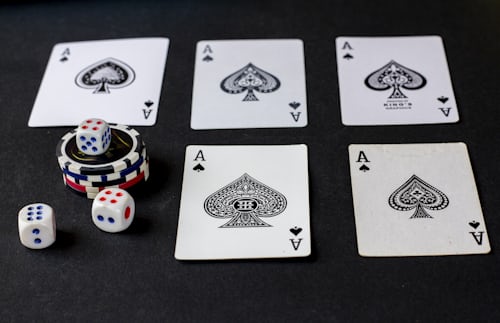
Additionally, themed events that capitalize on the idea of luck, like St. Patrick’s Day promotions, create an enticing atmosphere where players feel that the odds are in their favor. These promotions often come with enticing bonuses and rewards, further enhancing the perception that luck is a vital element in the gaming experience. As players participate, they become more invested in their perceived chances of winning, reinforcing the overall connection between luck and casino culture. By framing promotions around luck, casinos can create a festive environment that attracts both new and returning players, enhancing their overall business model.
Through these promotions, casinos can effectively enhance player engagement and increase foot traffic. The allure of potential luck encourages individuals to try their hand at various games, drawing them into a world where chance reigns supreme. By creating an environment where luck is a focal point, casinos can capitalize on the excitement and anticipation that comes with it, ensuring that players feel invested in their gaming experience. In this way, luck becomes a central theme that not only drives individual player experiences but also shapes the overall atmosphere of the casino.
Understanding the Importance of Luck for Players
For players, understanding the importance of luck in casinos can significantly shape their overall experience and approach to gambling. Recognizing that luck is an inherent part of the game can lead to more realistic expectations and a healthier gambling mindset. Players who accept that their outcomes are largely influenced by chance may find themselves less frustrated during losing streaks. This acceptance can allow for a more enjoyable and less stressful gaming experience, focused on entertainment rather than sheer profit. Understanding that luck is a factor can lead to a more balanced relationship with gambling.
Furthermore, embracing the role of luck can alter players’ strategies. Instead of relying solely on skill-based tactics, they may incorporate a more relaxed and recreational approach to gambling. This balance can lead to enjoying the games for what they are, providing a sense of thrill without becoming overly focused on winning. By understanding luck’s role, players can better navigate the highs and lows of gambling, fostering resilience and maintaining a positive outlook. The realization that luck plays a significant role can transform the gambling experience into a more enjoyable journey rather than a relentless pursuit of victory.
Additionally, recognizing the importance of luck can encourage players to practice responsible gambling. With the awareness that luck is an unpredictable element, individuals may set limits on their spending, avoiding the pitfalls of chasing losses. Such awareness promotes a healthier relationship with gambling, allowing individuals to participate with a mindset focused on entertainment and enjoyment rather than purely financial gains. This understanding ultimately enhances their overall experience in the casino environment. Players who prioritize enjoyment over the outcome will likely find themselves having a more fulfilling and sustainable gambling experience.